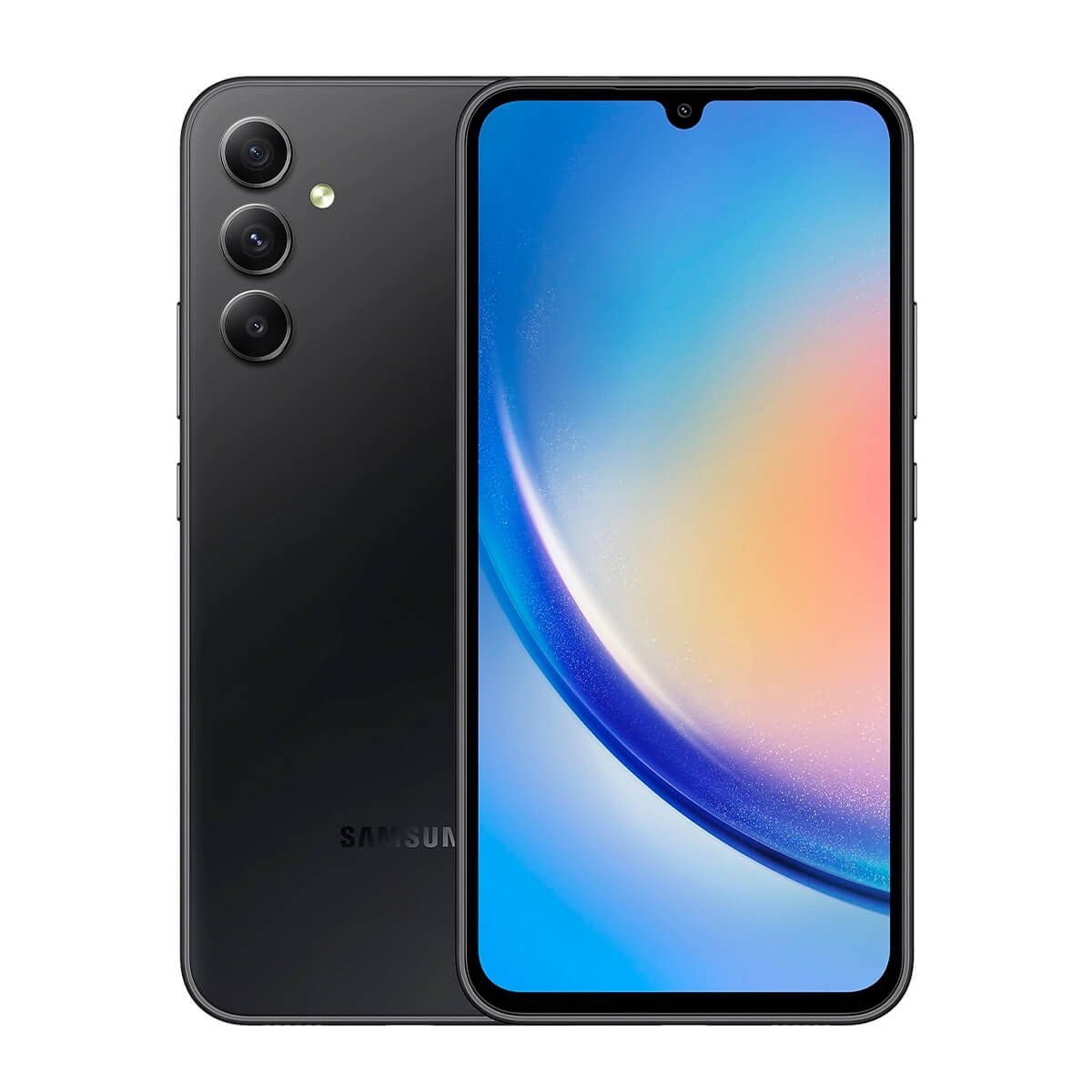
samsung galaxy s ii stands out in the crowded smartphone market, embodying innovation and performance that captivates tech enthusiasts. With its sleek design, vibrant display, and impressive camera capabilities, this device has left a lasting mark in the smartphone landscape. As we delve into its specifications and user experience, it’s clear why the Galaxy S II has garnered a devoted following.
From the technical specifications that showcase its powerful hardware to the intuitive user interface that users appreciate, the Samsung Galaxy S II offers a comprehensive package. This smartphone not only competes with its contemporaries but also shines through unique features that enhance user engagement and satisfaction.
Specifications of Samsung Galaxy S II
The Samsung Galaxy S II, released in 2011, marked a significant evolution in smartphone technology. With its blend of sleek design, powerful performance, and innovative features, it quickly became a favorite among users worldwide. Below are the detailed specifications that define this iconic device.
Technical Specifications
The technical specifications of the Samsung Galaxy S II highlight its robust capabilities and competitive edge. Equipped with a 1.2 GHz dual-core processor, the device ensured smooth multitasking and efficient operation of applications. It originally shipped with Android 2.3 (Gingerbread) and was upgradable to Android 4.1 (Jelly Bean), allowing users to experience enhancements in features and performance.
Key specifications include:
- Display: 4.3 inches Super AMOLED Plus capacitive touchscreen
- Resolution: 480 x 800 pixels
- RAM: 1 GB
- Storage: 16/32 GB internal storage, expandable via microSD (up to 64 GB)
- Battery: 1650 mAh removable battery
- Weight: 116 grams
- Dimensions: 125.3 x 66.1 x 8.5 mm
Display Features and Screen Resolution
The display of the Samsung Galaxy S II was groundbreaking for its time, offering a vibrant and stunning visual experience. The 4.3-inch Super AMOLED Plus technology provided deeper blacks and more vivid colors, enhancing both media consumption and user interface interactions.
The screen’s resolution of 480 x 800 pixels, while not as high as later models, delivered sharp and clear images. The pixel density of approximately 217 ppi ensured that text and visuals appeared crisp, making it suitable for web browsing and app usage. The Corning Gorilla Glass provided added durability, helping protect the device against scratches and everyday wear.
Camera Capabilities and Photography Options
The Samsung Galaxy S II came equipped with a powerful 8 MP rear camera, which included features such as autofocus, LED flash, and the ability to capture high-quality images in various settings. This camera offered a multitude of photography options, allowing users to take advantage of features like:
- Video Recording: Capable of recording 1080p video at 30 fps, ensuring high-quality video capture.
- Camera Modes: Various modes including panorama, smile shot, and night mode enhanced the photography experience.
- Front Camera: A 2 MP front-facing camera facilitated video calls and selfies.
The camera’s capabilities were complemented by a user-friendly interface, making it accessible for photography enthusiasts and casual users alike. The integration of software enhancements allowed for quick editing and sharing of images on social media platforms, solidifying its appeal among users looking to capture and share moments seamlessly.
User Experience and Interface
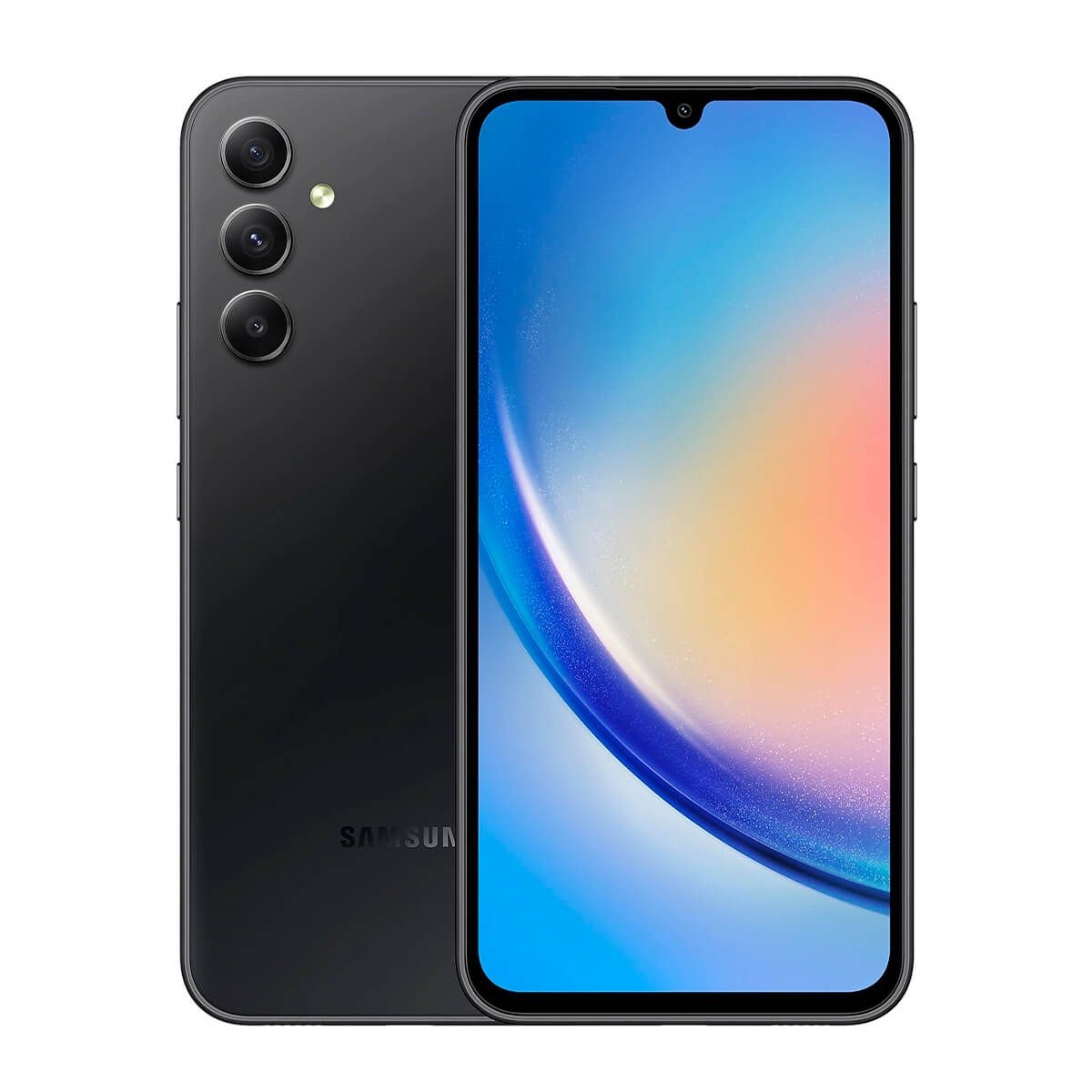
The Samsung Galaxy S II offers a user experience that is both intuitive and engaging, characterized by its vibrant Super AMOLED display and TouchWiz user interface. Users can navigate seamlessly through apps and features, thanks to the responsive touch capabilities. The design is not only aesthetically pleasing but also functional, catering to both casual users and tech enthusiasts alike.
The operating system on the Galaxy S II is Android, initially launching with version 2.3 (Gingerbread) and offering updates to later versions, enhancing usability and overall performance. Samsung’s commitment to providing software updates has allowed users to enjoy new features and security enhancements over time.
User Interface and Usability Features
The TouchWiz interface on the Galaxy S II significantly enhances the Android experience by incorporating several customizable features. Notable usability features include:
- Customizable Home Screens: Users can personalize their home screens with widgets, shortcuts, and live wallpapers, providing a tailored experience.
- Smart Stay: This feature uses the front-facing camera to detect when the user is looking at the screen, preventing the display from dimming.
- Task Manager: The built-in task manager allows easy switching between applications and managing running tasks efficiently.
- Multi-Window Support: Users can run two apps simultaneously, improving multitasking capabilities and productivity.
These features contribute to a smooth and customizable user experience, making the Galaxy S II a versatile device for various user needs.
Operating System and Software Updates
Initially equipped with Android 2.3, the Galaxy S II received updates to Android 4.1.2 (Jelly Bean), which introduced several enhancements such as Google Now and improved notifications. Software updates also included performance optimizations, security patches, and new features that keep the device relevant in a rapidly evolving landscape. The availability of updates plays a significant role in user satisfaction, and Samsung’s proactive approach ensured that many users enjoyed the latest enhancements.
Performance and Speed Based on User Reviews, Samsung galaxy s ii
User reviews consistently highlight the Galaxy S II’s impressive performance, particularly for its time. Powered by a dual-core processor and 1GB of RAM, it handles multitasking and resource-intensive applications with ease. Many users report that the device remains responsive even with multiple apps running simultaneously.
Performance insights include:
- Speed: Tasks such as web browsing, gaming, and video playback occur without noticeable lag, providing a smooth experience.
- Battery Life: Users find that the battery efficiently supports a full day of regular use, aided by power-saving modes.
- Graphics Performance: The device’s graphics capabilities allow for smooth gameplay and high-quality visuals in multimedia applications.
Overall, the Samsung Galaxy S II’s performance and user experience remain commendable, supported by robust software enhancements and a user-friendly interface.
Comparison with Competitors
The Samsung Galaxy S II was launched in 2011 during a highly competitive era of smartphones, where various brands were innovating rapidly to capture market share. Examining how the Galaxy S II fared against its contemporaries reveals its strengths and weaknesses, as well as the unique features that distinguished it from other devices in the same era.
The smartphone landscape during the release of the Galaxy S II was dominated by notable devices such as the HTC Sensation, Apple iPhone 4, and the Motorola Droid Bionic. Each of these smartphones had their own unique selling propositions, making the comparison particularly relevant for consumers.
Unique Features of Galaxy S II
One of the standout features of the Galaxy S II was its Super AMOLED Plus display, which provided vibrant colors and deeper blacks. Additionally, the device was powered by a dual-core processor that set a new standard for performance in mobile devices at the time. The thin and lightweight design also provided a sleek aesthetic that was competitive with other phones.
The following points highlight the unique features that helped the Galaxy S II stand out:
- Super AMOLED Plus technology for enhanced visual reproduction.
- Dual-core ARM Cortex-A9 processor for superior performance.
- 8 MP rear camera with advanced shooting modes.
- Lightweight and slim design, weighing just 116 grams.
Pros and Cons Compared to Competitors
When assessing the Galaxy S II against its contemporaries, it’s important to consider both its advantages and disadvantages. The following Artikels the key pros and cons of the device:
The advantages of the Galaxy S II included:
- Exceptional display quality, leading in clarity and contrast.
- Impressive battery life, often outlasting competitors in usage tests.
- Robust app ecosystem due to Android’s flexibility and support.
Conversely, the drawbacks included:
- Plastic build quality, which some users felt was less premium compared to competitors like the iPhone 4.
- Initial software updates could be slow, affecting the user experience.
- No expandable storage on some models, limiting space for users who needed more.
“The Samsung Galaxy S II’s dual-core processor and remarkable display technology positioned it as a leader in the competitive smartphone market of 2011.”
Overall, while the Samsung Galaxy S II had several notable features and advantages over its competitors, it also faced challenges that influenced its reception in an increasingly crowded smartphone market. The comparison showcases not only how the Galaxy S II was a formidable contender but also how it paved the way for future innovations in Samsung’s smartphone lineup.
Accessories and Enhancements
The Samsung Galaxy S II, despite being a few years old, still holds a place in the hearts of many users due to its impressive design and functionality. To maximize the experience with this device, various accessories and enhancements are available that not only improve usability but also protect and prolong the lifespan of the smartphone.
Many accessories can enhance the functionality of the Samsung Galaxy S II. From protective cases to portable chargers, these products are designed to support users in their daily activities while ensuring the device remains in optimal condition. Here are some of the popular accessories and their benefits:
Popular Accessories
Using the right accessories can significantly improve the user experience of the Samsung Galaxy S II. The following list highlights essential accessories that are widely appreciated by users:
- Protective Cases: Various styles, including slim and rugged cases, provide essential protection against drops and scratches, ensuring the device remains in excellent condition.
- Screen Protectors: Tempered glass or film protectors shield the screen from scratches and cracks, preserving display clarity and touch sensitivity.
- External Battery Packs: Portable chargers extend battery life, allowing users to stay connected without worrying about running out of power during the day.
- Bluetooth Headsets: Wireless audio solutions offer convenience for hands-free calls and music listening, enhancing the overall multimedia experience.
- Car Mounts: These accessories provide safe and convenient access to the device while driving, making navigation and communication easier on the road.
Enhancing Functionality
To further enhance the Samsung Galaxy S II’s capabilities, users can explore various methods that improve performance and usability. Implementing these strategies can lead to a more enjoyable experience:
- Software Updates: Regularly updating the device’s software ensures optimal performance and access to new features and security enhancements.
- Custom ROMs: Installing custom firmware can unlock new functionalities and improve performance, providing a refreshed user interface and additional features.
- App Management: Regularly uninstalling unused apps and clearing cache can help maintain the device’s speed and responsiveness.
- Cloud Services: Utilizing cloud storage for photos and files frees up internal storage, allowing the device to operate more smoothly.
Maintaining Device Lifespan
Proper maintenance of the Samsung Galaxy S II is crucial for prolonging its lifespan and ensuring it performs optimally for years. Here are some effective maintenance tips:
- Regular Cleaning: Keeping the device clean, especially the charging port and microphone, prevents dust accumulation that can affect functionality.
- Temperature Control: Avoid exposing the device to extreme temperatures, as overheating can damage internal components.
- Battery Care: Avoiding overcharging and letting the battery drain completely can help maintain battery health over time.
- Use Genuine Accessories: Using original Samsung accessories ensures compatibility and safety, reducing the risk of damage.
FAQ Resource
What is the battery life of the samsung galaxy s ii?
The battery life typically lasts up to 12 hours of talk time, depending on usage.
Is the samsung galaxy s ii water-resistant?
No, the Samsung Galaxy S II is not water-resistant.
What is the maximum storage capacity of the samsung galaxy s ii?
The device supports microSD cards up to 32GB for additional storage.
Can the samsung galaxy s ii run the latest apps?
While it can run many apps, performance may be limited due to older hardware and software.
Does the samsung galaxy s ii support 4G LTE?
No, the Samsung Galaxy S II supports only 3G connectivity.
The Samsung S 10 has redefined the smartphone experience with its stunning display and powerful performance. As a flagship model, it showcases Samsung’s commitment to innovation, providing users with cutting-edge features that enhance everyday tasks. Those looking to upgrade will find it a worthy investment for both productivity and entertainment.
When we talk about flagship devices, the Galaxy S 7 stands out as a classic. Known for its sleek design and robust performance, this model paved the way for many features we now take for granted in modern smartphones. It remains a favorite for those who value durability and efficiency in a compact package.