samsung note7 takes center stage as one of the most talked-about smartphones in history. Launched with much anticipation, it boasted cutting-edge features and an elegant design that captured the attention of tech enthusiasts worldwide. However, its journey quickly took a turn, leading to one of the most significant recalls in tech history. This narrative not only traces the evolution of the Samsung Note7 but also delves into the lessons learned from its tumultuous path.
History of Samsung Note7
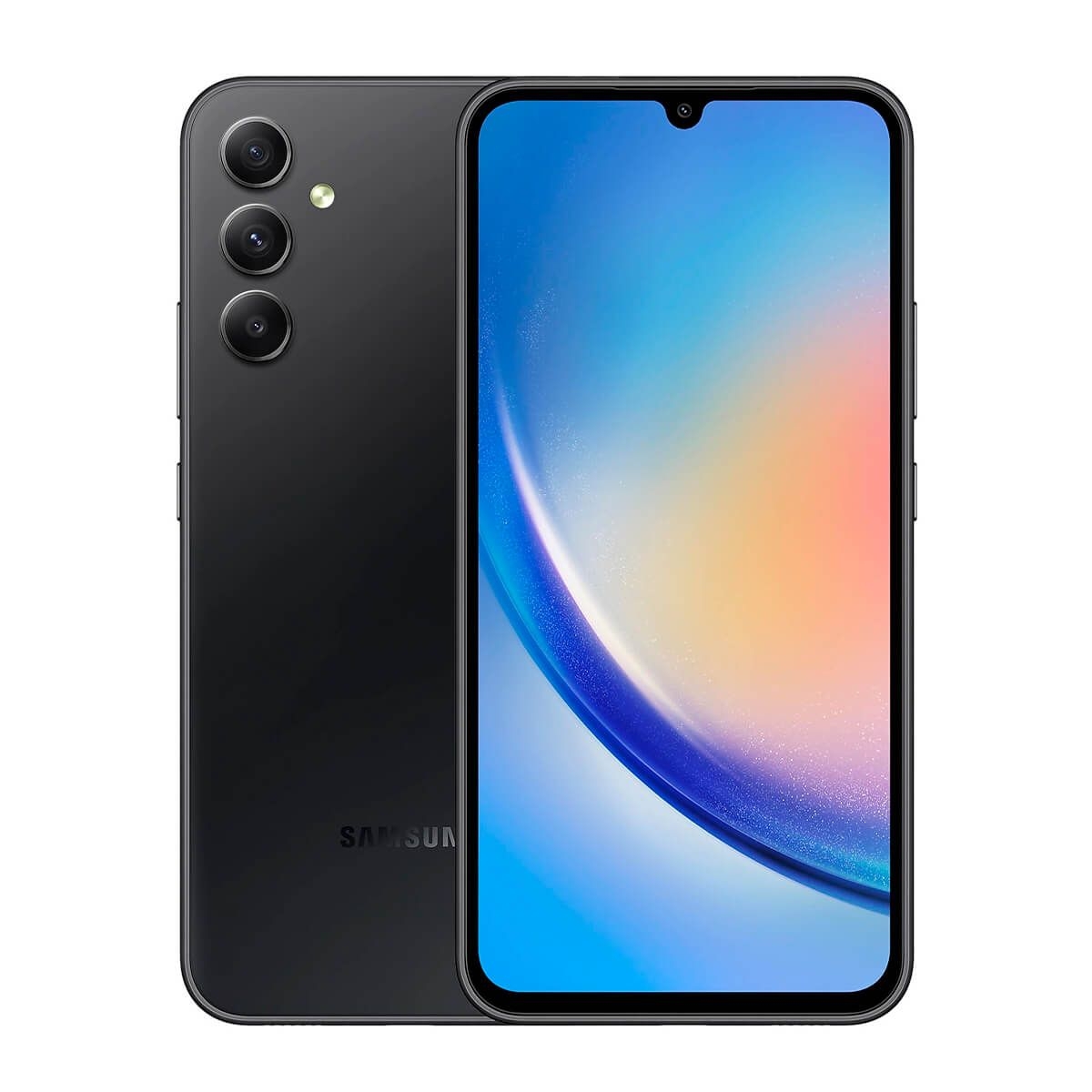
The Samsung Note7 marked a significant chapter in the smartphone industry following its launch in August 2016. As part of the Galaxy Note series, it was designed to impress with its innovative features and premium design. The Note7 was particularly noted for its enhanced S Pen capabilities, a stunning 5.7-inch Super AMOLED display, and a dual-edge design that offered a sleek aesthetic. It was a phone that combined productivity and luxury, packing in advanced features such as iris scanning for secure unlocking, water resistance, and a powerful camera.
The series of events that led to the recall of the Samsung Note7 began shortly after its launch. Users reported incidents of the device overheating and, in some cases, catching fire. Samsung initially responded by issuing a voluntary recall on September 2, 2016, to replace affected devices. However, the situation escalated when reports of replacement devices also experiencing similar issues surfaced. This prompted Samsung to announce a second recall on October 11, 2016, which ultimately led to the complete discontinuation of the Note7 on October 13, 2016. The company advised all users to power down their devices and return them for refunds or exchanges.
Impact on Company’s Reputation, Samsung note7
The fallout from the Samsung Note7 incident had profound implications for the company’s reputation and market standing. The crisis represented one of the largest product recalls in consumer electronics history, and its effects were felt widely across the industry. Key points include:
- The immediate financial impact: Samsung faced billions in losses due to refunds, loss of sales, and extensive marketing efforts to regain consumer trust.
- Damage to brand loyalty: Longtime Samsung users expressed concerns over safety and reliability, leading to a dip in brand loyalty that took years to rebuild.
- Regulatory scrutiny: The explosion incidents drew attention from safety regulators globally, prompting investigations that could affect future product launches.
- Market share implications: Competitors such as Apple and Google capitalized on the situation, gaining market share during a period when Samsung was struggling to recover.
“The Note7 incident exemplified the risks of rapid innovation without thorough testing, impacting not only Samsung’s reputation but also its approach to future product development.”
The lessons learned from the Note7 crisis have since reshaped Samsung’s practices, leading to a more rigorous safety and testing protocol for their subsequent devices.
Technical Specifications and Features
The Samsung Note7 was a flagship device that combined cutting-edge technology with user-centric features, making it a significant entry in the smartphone market. Launched in August 2016, it aimed to elevate user experience through its innovative specifications and elegant design, setting a new standard for future devices.
The key technical specifications of the Samsung Note7 were designed to provide top-tier performance, efficient multitasking, and an impressive multimedia experience. Below is a breakdown of these specifications, illustrating the refined capabilities that defined the Note7 and its impact on the smartphone industry.
Key Technical Specifications
The technical specifications of the Samsung Note7 showcased its prowess as a leading smartphone. The following list summarizes the essential specs:
- Display: 5.7-inch Quad HD Super AMOLED, with a resolution of 1440 x 2560 pixels, offering vibrant colors and deep contrasts for an immersive viewing experience.
- Processor: Equipped with either the Qualcomm Snapdragon 820 or Exynos 8890 (depending on the region), ensuring high-speed performance for multitasking and gaming.
- RAM: 4GB of RAM, allowing users to run multiple applications smoothly without lag.
- Storage: Available in 64GB internal storage, expandable via microSD up to 256GB, providing ample space for apps, photos, and media.
- Camera: 12MP rear camera with dual pixel technology for fast autofocus, and a 5MP front camera for high-quality selfies.
- Battery: 3,500mAh battery with fast and wireless charging capabilities, ensuring prolonged usage without frequent recharging.
- Operating System: Initially shipped with Android 6.0.1 Marshmallow, later upgradable to Android 8.0 Oreo.
- Water and Dust Resistance: IP68 rating, allowing the device to withstand immersion in water and exposure to dust.
Innovative Features
The Samsung Note7 introduced several innovative features that enhanced usability and user experience. Noteworthy features included:
- S Pen Enhancements: The S Pen boasted improved sensitivity and features such as Screen Off Memo, allowing users to take notes without unlocking the device.
- Edge Screen Features: The dual-edge display provided quick access to apps and contacts through customizable edge panels.
- Security Features: Integration of biometric security with iris scanning and a fingerprint sensor, enhancing device security and user convenience.
- HDR Video Playback: Support for HDR content, providing richer visuals and improved dynamic range for video playback.
- USB Type-C Port: Transitioning to USB Type-C for faster data transfer and charging capabilities.
Comparison with Predecessors and Successors
When comparing the Samsung Note7 with its predecessors, such as the Note5, and successors like the Note8, notable advancements in specifications and features emerge.
- Display: The Note7’s 5.7-inch display was a continuation of the Note series’ focus on large, high-resolution screens, but it offered improved color accuracy and brightness compared to the Note5.
- Camera Technology: The 12MP camera in the Note7 utilized dual pixel technology, a significant upgrade from the Note5’s single pixel setup, resulting in faster autofocus and better low-light performance.
- Battery Capacity: While the Note5 featured a 3,000mAh battery, the Note7 increased this to 3,500mAh. However, it is essential to note that this increase led to battery issues that ultimately affected the model’s legacy.
- Software Features: The Note7 introduced more refined software features, such as improved multitasking capabilities and advanced S Pen functionalities that were not present in earlier models like the Note5.
- Design and Build Quality: The Note7 offered a more modern design with a glass and metal build, enhancing aesthetics compared to the slightly bulkier Note5.
Safety Concerns and Recalls

The Samsung Note7 was launched to much fanfare, but its legacy became overshadowed by severe safety concerns primarily related to its battery. Reports of spontaneous combustion and overheating quickly emerged, leading to widespread alarm among consumers and regulators alike. Understanding the nature of these safety issues and the response from Samsung provides a comprehensive view of the Note7 saga.
The battery issues with the Samsung Note7 were traced back to flaws in the manufacturing process, which led to short-circuiting. This problem was exacerbated by the device’s rapid charging capabilities, which put stress on the batteries. Following multiple incidents, Samsung initiated a recall, but the replacement devices also exhibited similar issues, leading to a second recall. The company ultimately decided to discontinue the Note7 altogether.
Recall Measures Taken by Samsung
The initial response from Samsung involved a voluntary recall initiated in September 2016, where the company urged customers to return their devices for a replacement.
- First Recall: This recall affected about 2.5 million units, and Samsung offered users a choice between a replacement device or a full refund. The company also offered incentives such as gift cards to encourage users to return their phones.
- Second Recall: Following the re-released Note7 devices that also experienced battery failures, Samsung initiated a second recall in October 2016, which included all Note7 devices irrespective of whether they were original or replacement units.
- Final Discontinuation: By early November 2016, Samsung officially ceased production and sales of the Note7, advising users to power down their devices immediately and return them.
The effectiveness of these recall measures was pivotal. Samsung made extensive efforts to communicate with consumers through various channels including social media, news outlets, and direct notifications to ensure that users were informed of the dangers. Despite these efforts, the brand suffered significant reputational damage.
Regulatory Responses to the Samsung Note7 Incidents
Regulatory bodies took immediate notice of the safety issues surrounding the Samsung Note7. The U.S. Consumer Product Safety Commission (CPSC) became involved, leading investigations into the incidents and closely monitoring Samsung’s recall process.
- Investigation Launch: The CPSC launched an investigation that focused not only on the Note7 incidents but also on the broader implications for consumer electronics safety standards.
- Safety Guidelines: In response to the Note7 crisis, regulatory agencies began reviewing and updating safety guidelines for lithium-ion batteries, emphasizing the importance of rigorous testing and quality control.
- Public Awareness Campaigns: The fallout from the Note7 incidents prompted regulators to increase public awareness campaigns about the potential dangers of lithium-ion batteries, highlighting safe practices for consumers.
The interplay between Samsung’s corporate actions and regulatory responses underscored the importance of consumer safety in the tech industry, setting a precedent for how safety issues are managed in future product launches.
Market Impact and Lessons Learned: Samsung Note7
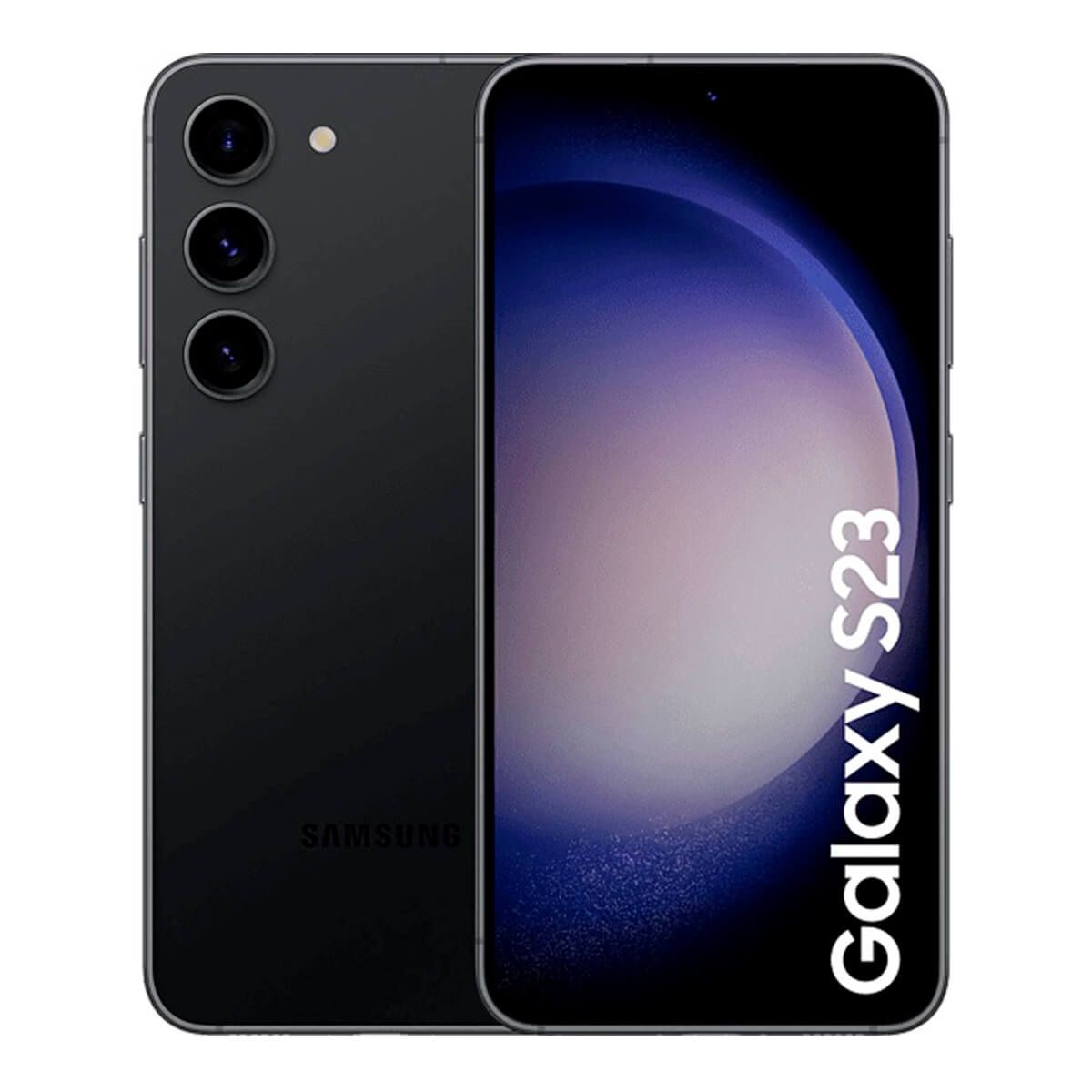
The Samsung Note7 recall had a profound impact on both the company and the smartphone industry as a whole. This incident not only highlighted the potential risks of product design and manufacturing but also reshaped consumer perceptions of safety in technology. Analyzing the market consequences reveals important lessons for manufacturers regarding product integrity and consumer trust.
Financial Impact of the Samsung Note7 Recall
The financial ramifications of the Samsung Note7 recall were staggering. Samsung Electronics reported losses exceeding $5 billion directly attributed to the recall. This figure includes costs related to production halts, refund processes, and extensive marketing efforts to rehabilitate the brand image. The Note7’s failure also resulted in a significant drop in Samsung’s market share in key regions, particularly in North America, where competitors capitalized on the opportunity to attract dissatisfied Samsung consumers.
To illustrate the economic fallout:
- Samsung’s operating profit saw a sharp decline, dropping from 9.22 trillion won ($8.1 billion) in the third quarter of 2016 to 5.2 trillion won ($4.6 billion) in the same period of 2017.
- The recall affected stock prices, with shares plummeting by nearly 8% following news of the first incident.
- Following the crisis, Samsung spent approximately $1 billion on marketing efforts to regain consumer confidence and restore its brand reputation.
Lessons Learned from the Samsung Note7 Crisis
The Samsung Note7 incident served as a critical case study in product safety and crisis management. It underscored the importance of rigorous testing and quality assurance processes to prevent similar situations. Manufacturers are now more aware of the potential repercussions of neglecting safety protocols, prompting many to adopt more stringent measures in product development.
Key takeaways from the crisis include:
- Importance of comprehensive testing: Companies have since implemented more robust testing protocols, including safety assessments during all phases of product development.
- Consumer safety as a priority: The incident reinforced the necessity of prioritizing consumer safety, encouraging manufacturers to adopt transparent communication strategies when issues arise.
- Proactive crisis management: Effective crisis management strategies are now seen as essential, with companies training teams on immediate response and consumer communication during emergencies.
Impact on Consumer Trust in Smartphone Manufacturers
The Samsung Note7 recall significantly affected consumer trust across the smartphone industry. While Samsung faced the brunt of the backlash, other manufacturers also felt the ripple effects as consumers became increasingly cautious about product safety. The incident revealed vulnerabilities in consumer perception, with many questioning the reliability of not just Samsung, but all smartphone brands.
The long-term implications for consumer trust include:
- Increased scrutiny of product recalls: Consumers are now more vigilant and expect transparency regarding safety issues, influencing their purchasing decisions.
- Shift toward ethical manufacturing: There is a growing demand for accountability and ethical practices in manufacturing processes, pushing brands to showcase their commitment to safety.
- Enhanced competition: The crisis opened doors for competitors, leading to innovations and improvements in safety features that aim to reassure consumers about product reliability.
Q&A
What were the main features of the samsung note7?
The Samsung Note7 featured a 5.7-inch Super AMOLED display, a 12MP dual pixel camera, an S Pen, and water resistance, among other advanced specs.
When was the samsung note7 launched?
The Samsung Note7 was officially launched on August 19, 2016.
What caused the samsung note7 recall?
The recall was primarily due to battery malfunctions that led to overheating and fires.
How did the samsung note7 incident impact Samsung’s reputation?
The incident significantly damaged Samsung’s reputation, leading to decreased consumer trust and financial losses.
What lessons did Samsung learn from the note7 crisis?
Samsung learned the importance of rigorous product testing and the need for transparent communication with consumers regarding product safety.
The latest innovations in mobile technology have led to the development of powerful components, notably the chip iPhone , which significantly enhances performance and efficiency. This advancement ensures that iPhones remain a top choice for users seeking cutting-edge features and reliability. As competition increases, brands like Apple continue to set the bar high with their state-of-the-art chips.
When we think of iconic smartphones, the Samsung Galaxy S 4 often comes to mind. This device was a game-changer with its impressive display and user-friendly interface, making it a favorite among tech enthusiasts. The Galaxy S 4 showcased Samsung’s commitment to innovation and quality, setting standards for future models in the competitive smartphone market.